Guides, directories & playbooks for creator gifting
Everything Shopify brands need to run influencer gifting and product seeding — comparisons, customer stories, metrics, and the directories creators actually use.
that send PR
90+ Brands That Send PR to Small Influencers
The real, categorized directory of brands gifting product to nano and micro creators in 2026 — with application links, contact tips, and pitch templates that actually work.
Read the directory →Directories
3 postsThe lists creators and brands actually search for.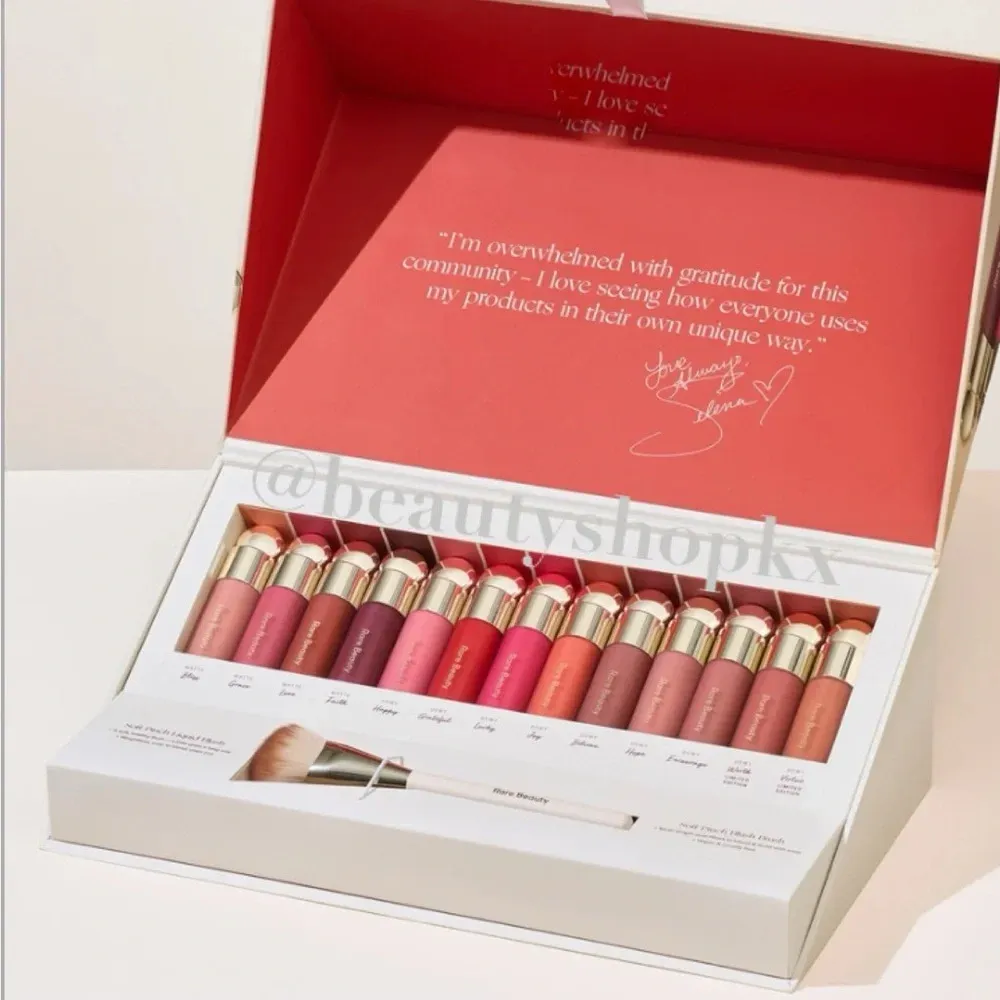
90+ Brands That Send PR to Small Influencers
The categorized directory of brands gifting product to nano & micro creators in 2026.
Brands Looking for Ambassadors
65+ open ambassador & affiliate programs you can apply to right now — each with a direct link.
Brands Looking for UGC Creators
Where brands hire user-generated-content creators — and how to get on their lists.
Comparisons & alternatives
9 postsPlatform face-offs and alternatives, from a brand POV.IGF vs. Spreadsheets and DMs
The seven-metric scorecard: time per send, volume ceiling, errors, attribution, headcount, visibility, and creator experience.
IGF vs. Manual Shopify Draft Orders
Branded gifting link vs. building $0 draft orders by hand — across address collection, order creation, tracking, and the volume where manual breaks.
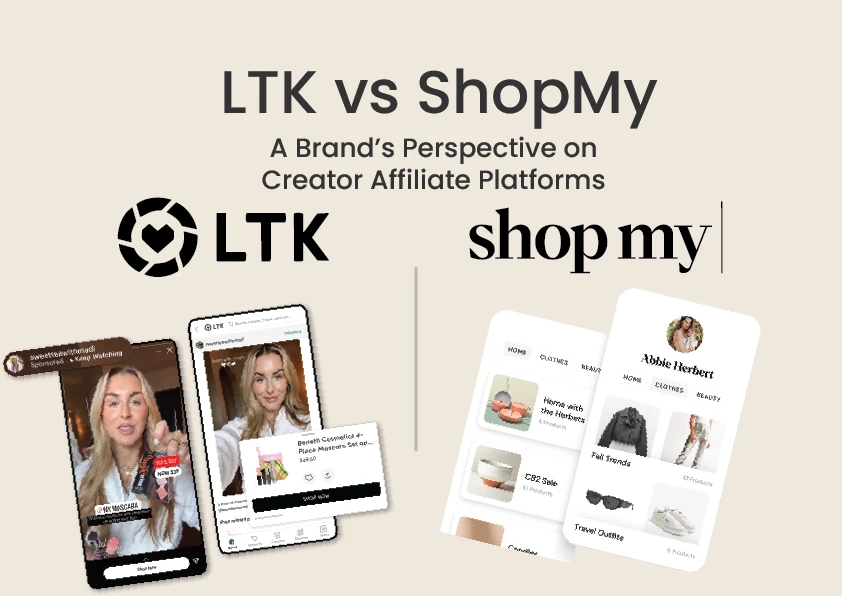
ShopMy vs LTK: Which Is Best for Brands?
Two creator-affiliate platforms compared side by side — and the smarter place to start.
Aspire vs Upfluence
A brand-side breakdown of two big influencer platforms — pricing, fit, and gotchas.
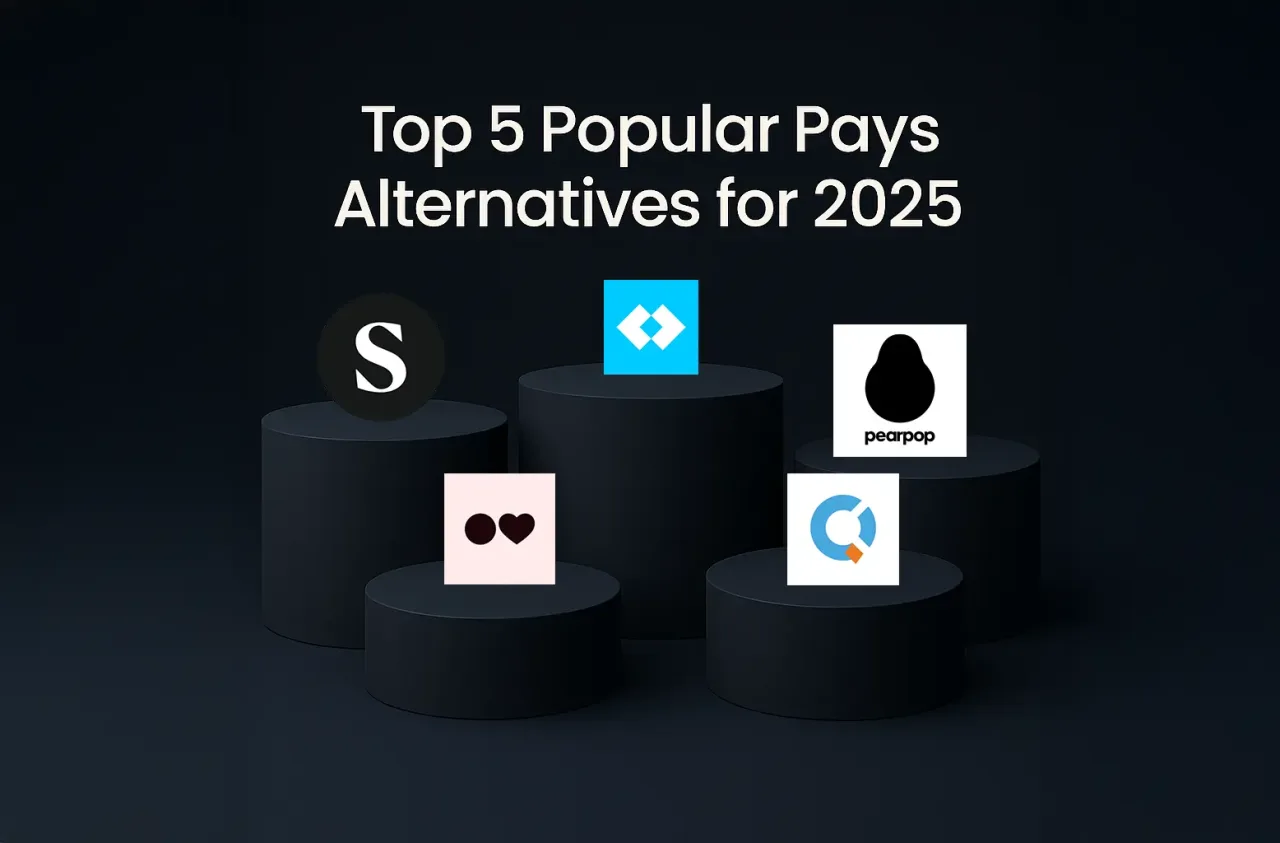
The Best PopularPays Alternative
What to use instead of PopularPays for creator gifting and seeding.
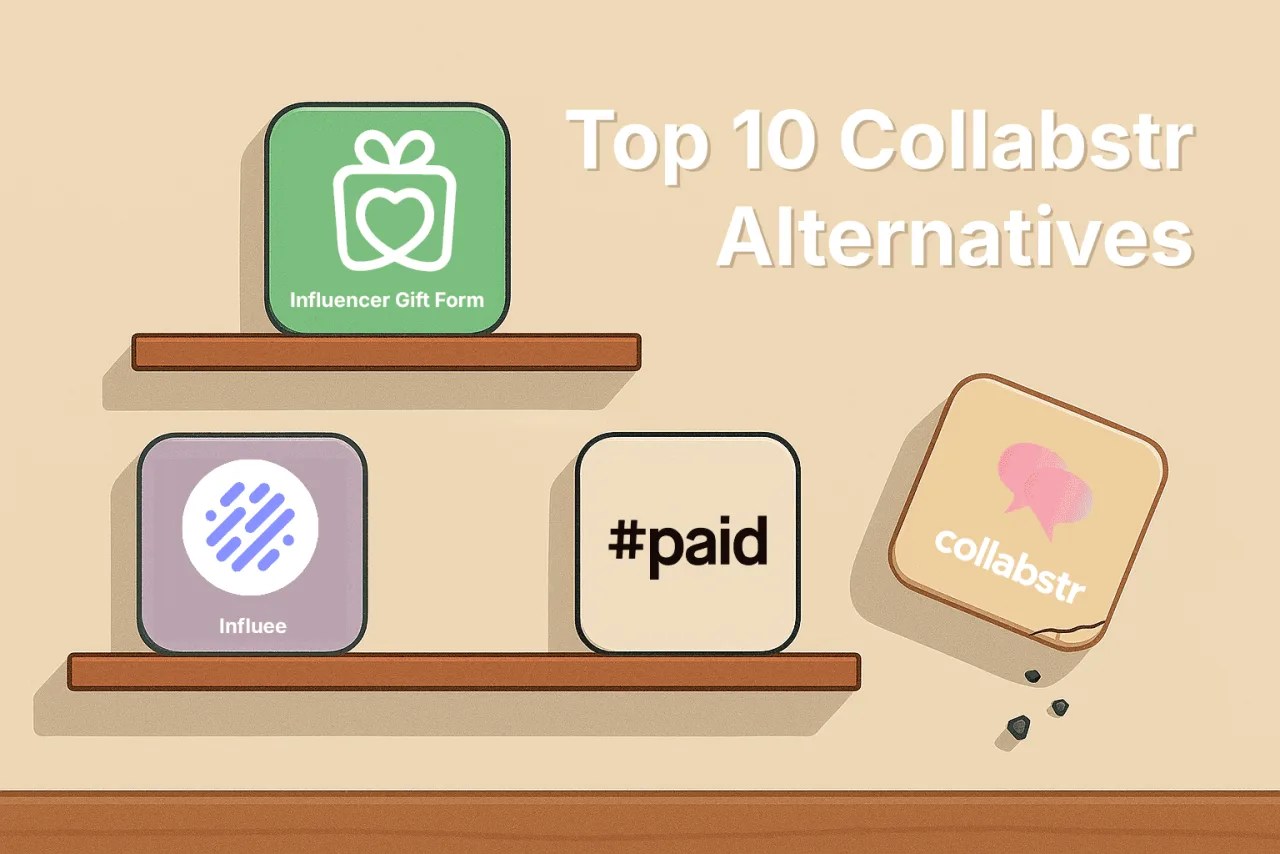
Top Collabstr Alternatives
Where to find and gift creators beyond the Collabstr marketplace.
Upfluence vs the Competition
How Upfluence stacks up against other influencer platforms for brands.

Top Traackr Alternatives
Why enterprise teams replace Traackr — and the alternatives with broader access, flexible pricing, and gifting.
Why Shopify Collabs Failed
What went wrong with Shopify Collabs — and what brands should do instead.
Gifting & seeding education
10 postsHow product seeding and influencer gifting actually work.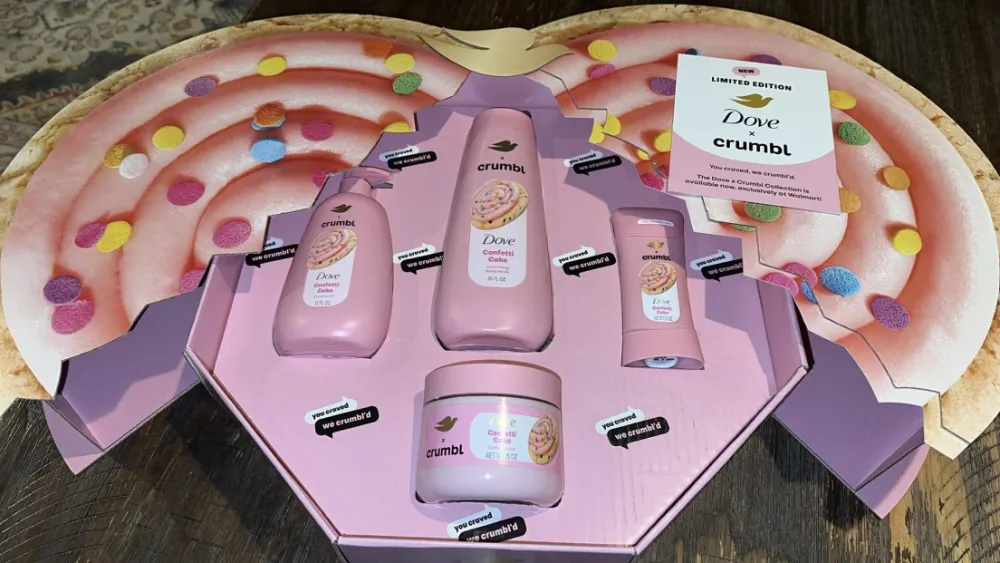
How to Send Free Products to Influencers on Shopify
The step-by-step for gifting product to creators straight from your Shopify store.
How IGF Replaces Instagram DM Outreach
A six-step, multi-day DM thread compressed into one branded link — and why fewer steps lift creator response, not just speed.
Product Seeding: The Complete Guide
What seeding is, how it differs from gifting, the full step-by-step process, and the ROI data — one pillar guide.

How to Create an Influencer PR Package
The visual playbook for PR boxes that earn unboxings and UGC.
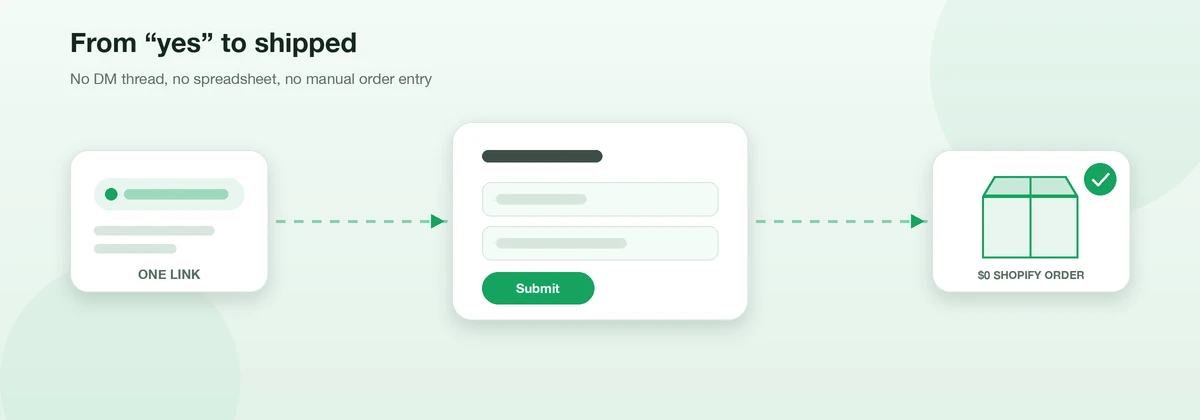
How to Send PR Packages to Influencers
The full operational guide: what to include, collecting addresses without DMs, creating orders, and the volume where each approach breaks.
PR Package Ideas: What to Send So They Post
What to put in the box by category — beauty, skincare, food, home, fashion, pet — and what kills post rates.
PR Unboxing: What Makes Influencers Post
Post rate isn't luck. The six factors that decide whether a creator films the unboxing.

10 Influencer Gifting Mistakes
The errors that kill post rate and ROI — each with the symptom, the cause, and the fix.
TikTok Product Seeding
Why follower count is the least useful criterion on TikTok, and the formats the algorithm actually amplifies.
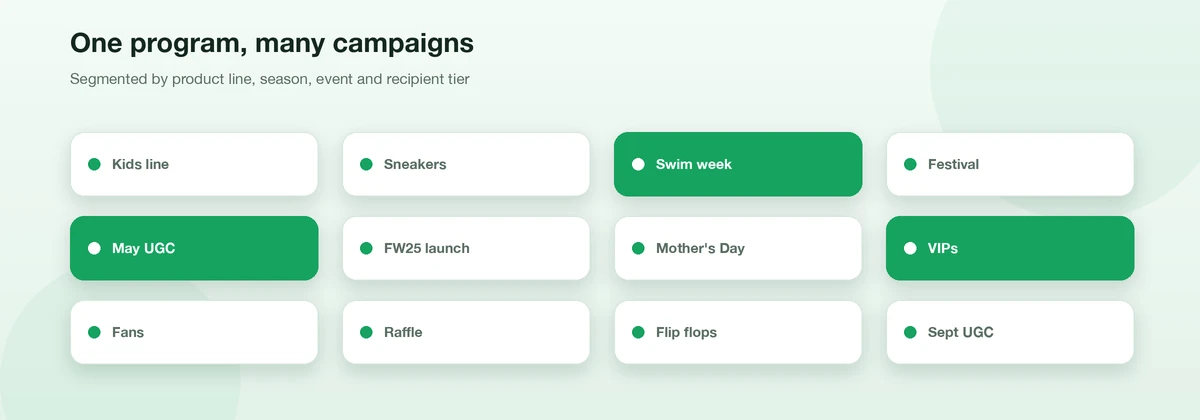
7 Influencer Seeding Campaign Examples
Seven structures from brands actually running them — daily-cadence gifting, campaign segmentation, seasonal bursts, and leaving an enterprise platform.
Customer stories
3 postsHow real brands scaled gifting with IGF.
How PopSips Scaled Gifting with IGF
The beverage brand that scaled seeding with IGF — and landed on major shelves.
Melonz Eyewear: Gifting at Scale
How an eyewear brand turned gifted product into a steady stream of UGC.
Tan Madonnas' Creator Pipeline
A scrappy brand builds an always-on gifting program with IGF.
Metrics & contracts
4 postsMeasure ROI and lock terms in writing.How to Calculate Earned Media Value From UGC
The EMV formula for UGC — impressions × CPM plus a production-cost offset — with format benchmarks and a tracking process.
What Is a Good CPM for Influencer Gifting?
How to benchmark cost-per-thousand on gifted campaigns — and beat it.
The Influencer Agreement Contract Guide
What belongs in a creator contract — scope, usage, FTC, and termination.
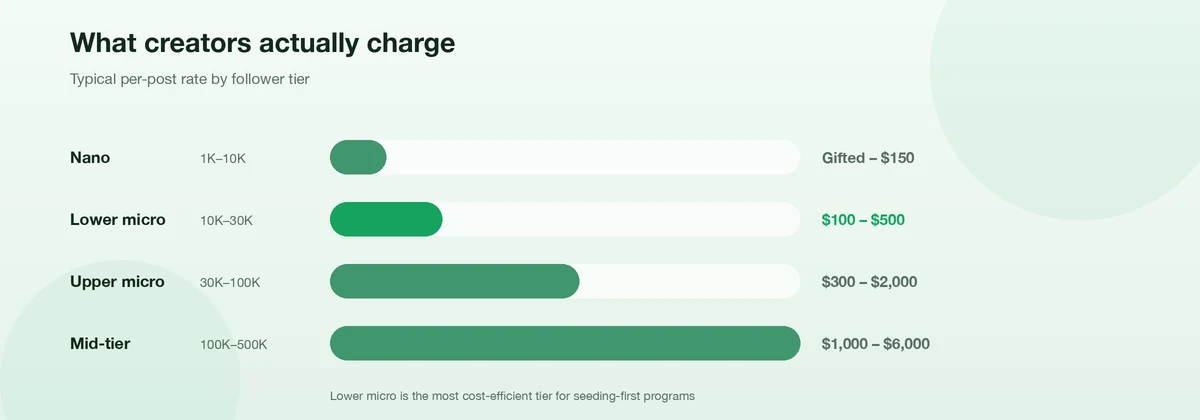
How Much Do Micro Influencers Charge?
Real rate ranges by tier, platform, and format — plus what usage rights and exclusivity actually add.
Micro-influencer hub
2 postsFind the right small creators for your niche.How to Find Micro Influencers
The hub guide: discover and vet small creators who actually convert.
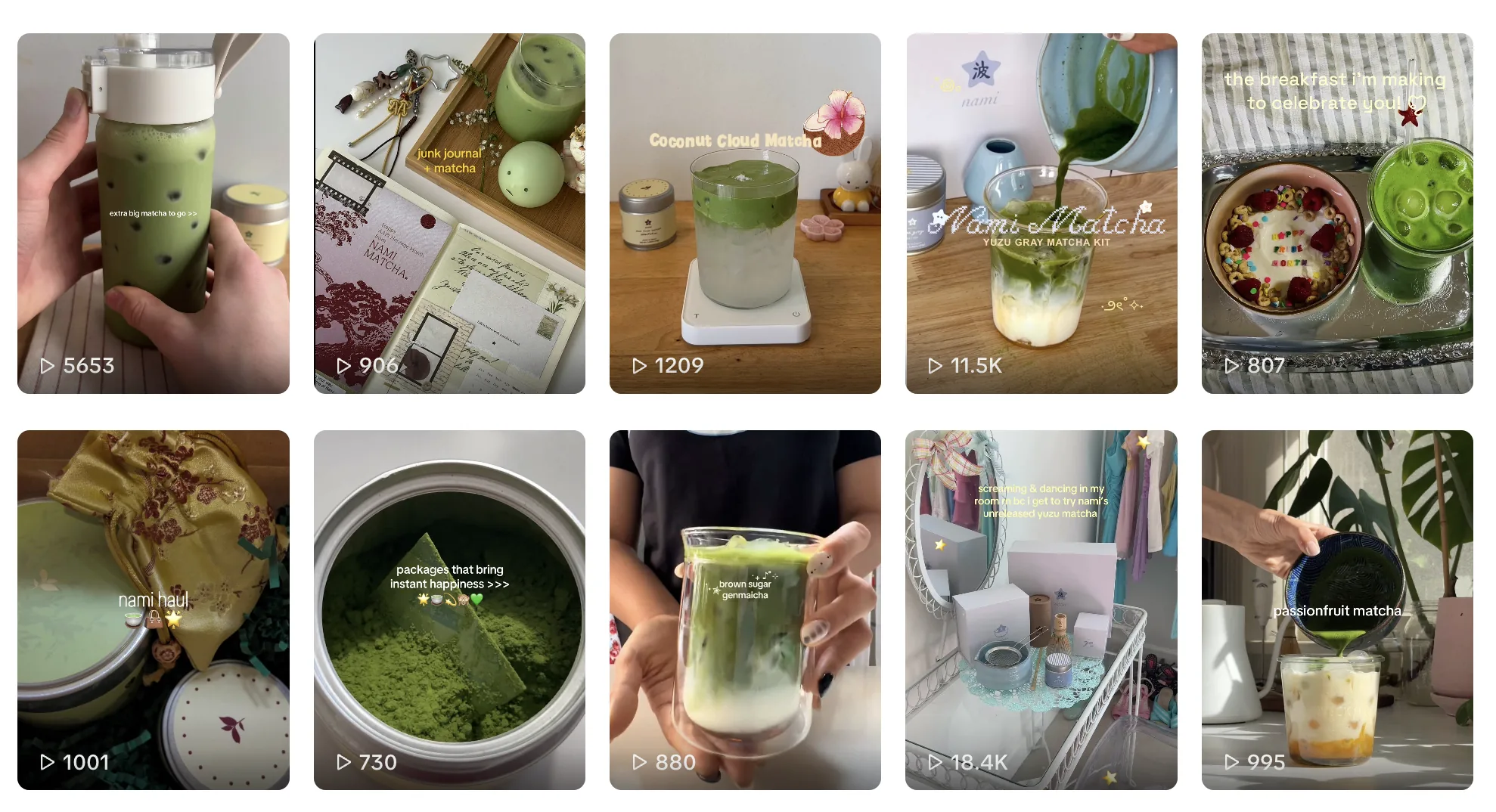
UGC Creators List for Brands
How to source and qualify UGC creators across eight categories, with the production standard for each.
Free tools to go with the guides
Search 5,000+ creators, compare 46 platforms, and generate a brand-safe influencer contract — no email.